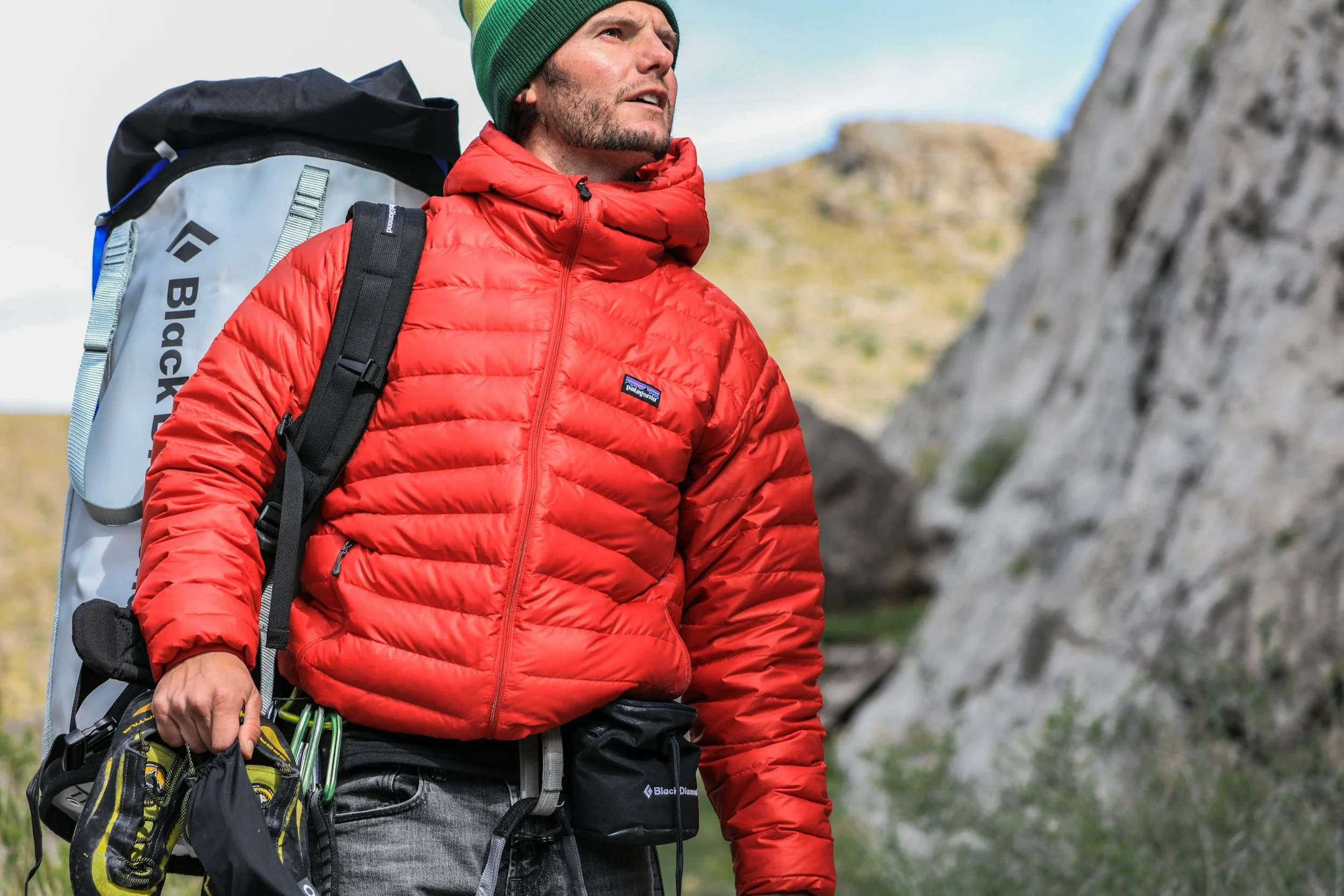
What if your biggest experiment wasn’t a product, but your entire business?
That’s exactly what Yvon Chouinard, founder of Patagonia, did.
From Fixing Gear to Redefining Business
Chouinard never set out to run a global company.
He was a climber and craftsman who just wanted to fix the gear that kept breaking.
He hated waste, especially throwing things away before they were truly worn out.
So he started making his own tools and testing ways to make them better.
That was the first experiment.
And it didn’t stop there.
Over time, those small experiments grew:
First, into better gear.
Then, into a more sustainable supply chain.
And eventually, into a new model of what it means to lead a business.
Up until the point where he gave the whole company away to a trust to protect the environment for future generations. In this article, he shares his journey, his learnings, and what led him to take such an extreme leap (to some).
The Courage to Keep Experimenting
When Patagonia grew too fast, Chouinard did something unthinkable for most companies: he paused sales to rethink the environmental impact of his materials.
When the brand became too profitable, he gave it away — literally.
He transferred ownership to a trust so that all future profits could go toward protecting the planet.
That’s not efficiency.
That’s experimentation at the level of identity.
Optimising for Curiosity, Not Control
Most companies optimise for efficiency.
Patagonia optimises for curiosity.
Chouinard treats the business like a living system — one that needs constant testing, reflection, and recalibration.
That’s the essence of an experimental culture:
You get curious about what’s not working.
You keep testing better versions of your solution.
You stay brave enough to rewrite the rules when the system stops serving its purpose.
What Leaders Can Learn from Patagonia
Building an experimental culture doesn’t mean taking reckless risks.
It means creating the conditions where learning happens faster than failure.
Here’s how to bring that mindset into your own team:
Ask what’s not working. Curiosity begins where comfort ends.
Test small. Big shifts start with low-stakes experiments.
Measure learning, not just results. Every test gives you data.
Reflect and adapt. Experimentation is only valuable if you pause to learn.
Lead with values. The strongest experiments align with purpose.
The Real Experiment: Building the Right Culture
Patagonia didn’t just build products that last. It built a culture that learns.
That’s the ultimate experiment: a living system that questions itself, improves itself, and never stops aligning purpose with action.
Every team has that choice.
To run on autopilot, or to stay awake enough to keep testing better versions of how you work.
So here’s the real experiment:
Can your current culture keep learning as fast as the world changes?
Ready to Build an Experimental Culture?
At The Brick Coach, we help organisations get change-ready.
If you’re ready to boost your team’s curiosity and courage to experiment, get in touch.